
Beavercreek Previous Residents by Era
Previous residents are best traced in layers. Greene County records establish a parcel and its recorded transfers. The Greene County Room and Archives add historical occupants, newspapers, maps, and local context. Beavercreek sits in a place where older material may say Beavercreek Township rather than the later city name, so that earlier wording is worth trying in the catalog and index.
| Source | Years it covers | Where held | What it can show |
|---|---|---|---|
| Recorder online document index | 1984 forward | Greene County Official Record Search | Modern recorded transfers and title clues |
| Direct and reverse deed books | Before 1984 | Greene County Recorder | Earlier grantor and grantee index route |
| City directories | Exact local run not published | Greene County Room | Occupants rather than property owners |
| Federal census | Released after 72 years | Library and federal research routes | Household composition on the census date |
| Township maps and atlases | 1855 through later township map eras | Greene County Archives | Road, subdivision, and land context |
Begin with the modern parcel when the address is known. For an older family question, begin with a directory, obituary, or map and work toward the parcel. Neither route makes a complete household list. The aim is to build a dated trail from source pages, not to assume that every recorded owner lived on the land.
Before 1984: Beavercreek Deed Books
The Recorder identifies its online index as beginning in 1984. That date marks the web route, not the first county land record. The county also identifies prior direct and reverse index books. For an earlier deed, the fallback is the Recorder counter, the Records Center and Archives, or the Greene County Room, which has some deed microfiche and deed-index microfilm.
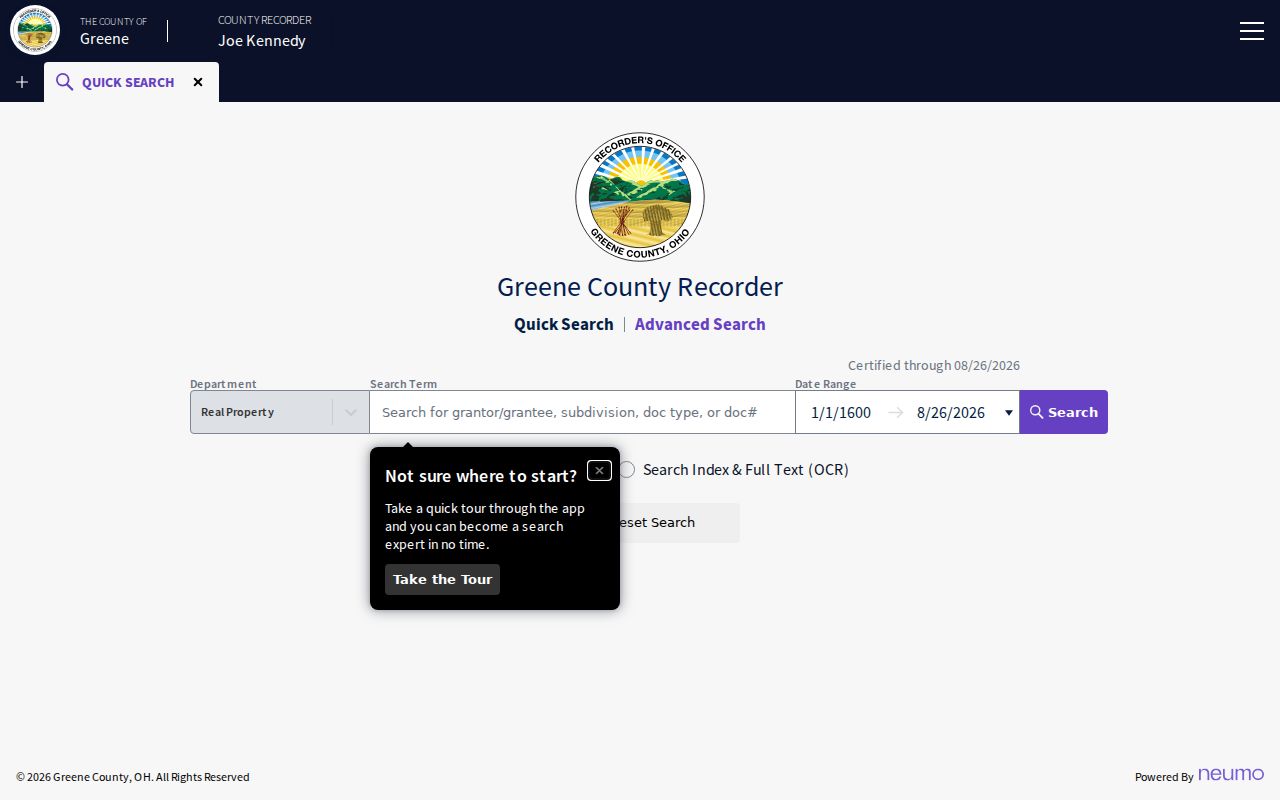
The Recorder search accepts a term for grantor, grantee, subdivision, document type, or document number. It also permits a recorded-date range and an index-only or OCR scope. Use the legal description and subdivision clues from the deed rather than trusting a street-name search alone. Old road names and house numbers may not match current labeling.
Local recovery path. The Recorder is at 69 Greene Street in Xenia; the Archives at 535 Ledbetter Road and the Greene County Room at Xenia Community Library provide separate offline research routes.
Note: Exact copy fees and the complete microfilm run were not published in the inspected material, so ask the custodian before ordering.
Beavercreek Previous Residents and Parcel IDs
A street number is useful, but a parcel identifier and legal description carry the stronger connection between records. Use the Greene County Auditor Real Estate Search to enter an address, owner, or parcel number. Its structured address route separates number, directional prefix, street, suffix, unit, city/state/ZIP, tax year, and property type. That detail helps distinguish similar addresses.
The Auditor record is an ownership and tax trail, not proof that every past resident lived at the property. GIS adds parcel geometry and map context, while the Recorder supplies the recorded instrument. The historic-property guide recommends using these sources as a chain, then testing older address evidence against maps and directories.
- Grantor
- The person or entity conveying an interest in a recorded document.
- Grantee
- The person or entity receiving that interest in the document.
- Chain of title
- A sequence of recorded transfers tied together by the same land description.
- Legal description
- The lot, subdivision, survey, or other land wording that can remain useful when the street label changes.
Mapping a Beavercreek Address Through Time
Maps are the bridge when a historic address does not look familiar. The Greene County Room lists atlases from 1855, 1874, and 1896. The Archives inventory includes Beavercreek Township maps from about 1905 through about 1972, plus mapped subdivision material for Knollwood Estates and Eastern Hills/Coy. Sanborn maps are also a local resource, although the inspected sources did not verify specific Beavercreek sheet years.
The Greene County GIMS viewer is useful for present parcel orientation. Its parcel layer is maintained from Auditor CAMA data, and the tax-map archive provides map and record viewers. GIS boundaries are reference material, not a legal survey. Match the map to the recorded plat, survey book/page, or deed before treating it as proof.
The historic guide expressly warns that street names and house numbers may have changed. No verified citywide renumbering list or conversion year was found. Compare the township name, subdivision, plat, and legal description rather than guessing a conversion.
Trace a Greene County Deed Chain
A backward chain begins with the current parcel, then moves through the transfer that put the current owner into the record. The process works only when each link is checked against the same legal description. It identifies recorded land transfers. It does not establish where a seller went after a sale.
- Run the address through the Auditor search and note the parcel identifier, subdivision, and available legal-description clues.
- Find the current conveyance in the Recorder index and record the date, document identifier, grantor, grantee, and legal description.
- Search the former owner as a grantee to locate the instrument by which that person acquired the parcel.
- Repeat the comparison back through each transfer. Stop and resolve a changed lot, plat, or description before continuing.
- When the trail reaches the online cutoff, request the prior direct/reverse books or use the archival and library microfilm route.
A 2025 Recorder change limits how long original plat maps are retained after recording, while current fee notices continue to change. Check the Recorder page for current procedures before requesting a record.
Greene County's official Recorder search is the starting image for a documented deed-chain search.
Beavercreek Previous Residents in Directories
Once the parcel trail is stable, directories help answer a different question: who occupied an address during a particular period. The Greene County Room has city directories, obituary files, census resources, maps, newspapers, and local history staff. A 1915 Xenia directory is a verified example in the Archives material, but the public sources do not publish a full Beavercreek volume list, publisher list, or confirmed reverse-directory run. Ask staff for the exact volume before assuming it exists.
- Record the current and historic address forms, township wording, and the directory year needed.
- Ask the Greene County Room for relevant city or reverse-directory holdings and search by address when a reverse volume is available.
- Capture the volume title, year, page, name spelling, address, and observed entry notation.
- Pair the result with the closest released federal census, then test it against obituary, birth, death, and newspaper material.
- Use maps, plats, and the legal description to resolve a changed street label before treating two entries as the same house.
The local historical shelf is covered in more depth on the Beavercreek city directory page. A directory entry is evidence of an occupant, not ownership of the property.
Note: The Greene County Room posts local-history hours Monday through Saturday, noon to five, and offers a physical catalog plus onsite genealogy databases.
The 1900 Fire and Earlier Beavercreek Records
Early research needs more than a portal cutoff. Greene County was created in 1803, and its first Common Pleas organization meeting took place in a Beavercreek Township log cabin. Xenia later became the county-seat location. That history explains why original county material for a Beavercreek address is commonly held outside the city.
The Greene County Courthouse burned in 1900. The archive program, begun in 1996, later brought permanent records into an archival facility, while the public catalog and repository continue to grow. A missing online result can reflect physical loss, cataloging, preservation, or incomplete digitization. Cross-check the Recorder, Archives, Greene County Room, and clerk rather than drawing a conclusion from one web screen.
Beavercreek Previous Residents and Memorial Clues
Obituaries, historical death registers, probate files, and cemetery records can close a family-history trail without claiming a current location. Greene County Room digital collections include county birth and death records for 1869 through 1909. A probate estate may also provide the correct route for a decedent or heir question, subject to the court's record rules.
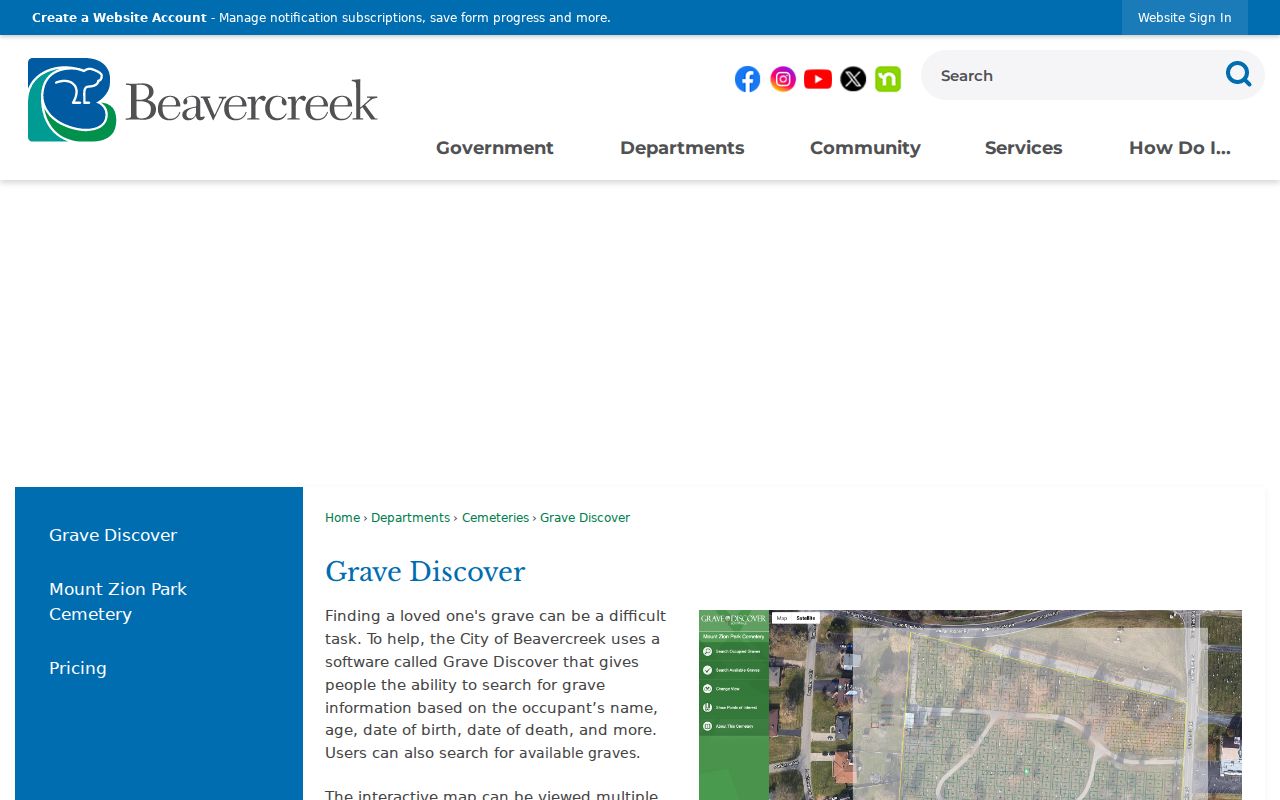
Beavercreek Grave Discover provides a city-linked search and map route for Mount Zion Park, Aley, and Hawker. The city manages seven cemeteries, but not every local cemetery is city managed. An interment is historical evidence, not a present-residence record.
The city's Grave Discover resource adds a location-specific memorial source to an address history.
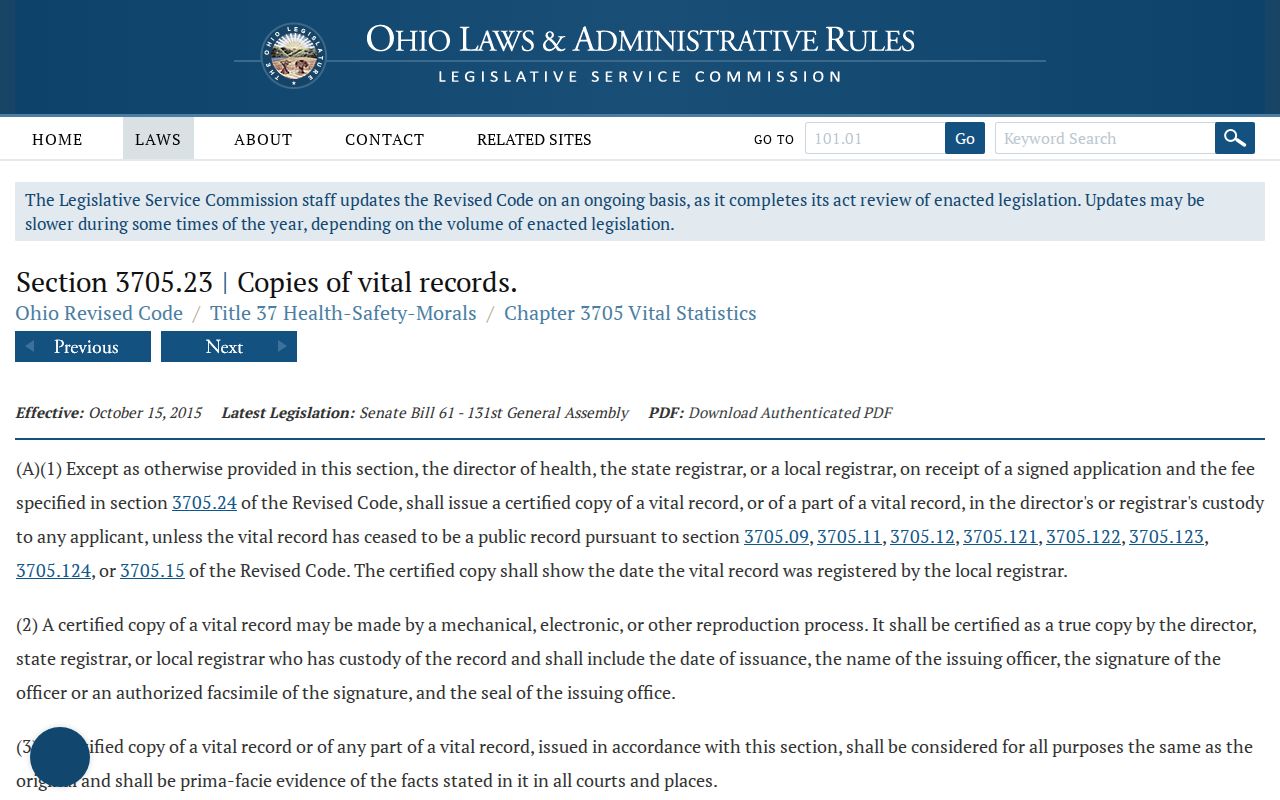
Ohio's vital-record access statute sets the signed-application and fee framework for registrar copies.
Lawful use. Beavercreek previous-resident research is for family history, estate questions, house history, and personal curiosity. Do not use records to track, harass, or harm a living person.